Reading BrajVinay Kumar Gupta
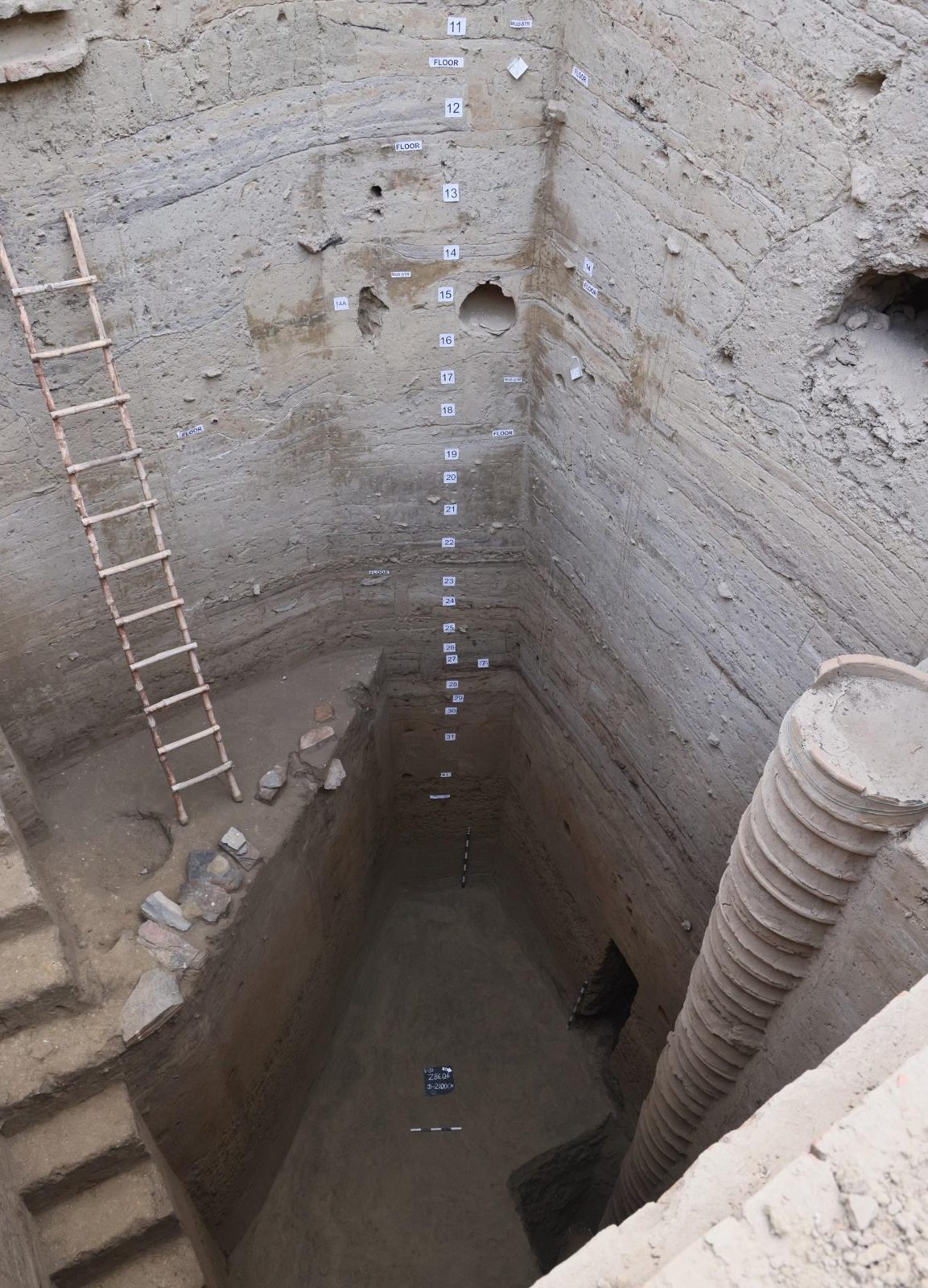
A deep excavation trench at Bahaj cut through many metres of stratified soil, a ladder standing in it for scale

Superintending Archaeologist · Archaeological Survey of India

Reading the earth of Braj, one layer at a time.

Vinay Kumar Gupta excavates and writes the deep history of Mathura and Rajasthan — from the potters of the Ochre Coloured Ware to the abandoned temple towns of the Hadoti hills.

Flagship dig
Bahaj, near Govardhan
Deposit read
13 m, unbroken
In print
6 books · 50+ papers

The archaeologist

Vinay Kumar Gupta was born in Mathura in 1981, and for twenty years he has pressed one question into the ground of his home region: how old, and how continuous, is the settled life of Braj?

After a Post-Graduate Diploma from the Institute of Archaeology, his doctoral survey at the National Museum Institute, New Delhi — supervised by Dr Buddha Rashmi Mani, mentored by Prof. Dilip K. Chakrabarti — walked the region village by village and became the book Mathura: An Art and Archaeological Study (2013) and the monograph Early Settlement of Mathura (2014). That survey also marked a quiet, unquarried mound near Govardhan for a closer look — two decades later, as Superintending Archaeologist, he came back and opened it: it was Bahaj.

Since then the work has moved from the map to the section face. He has directed excavations at Bahaj, Ojhiyana, Barnoli ki Dhai and Bewan; co-directed the Harappan mound at Rakhigarhi; and taken part in excavations at Khirasara, Bhirrana, Baror and Hansi. A posting in the Survey's Antiquities & Customs Section put him on the other side of the same question — tracing looted Indian antiquities abroad and working to bring them home. Between seasons he studies the sculpture of Mathura, the cults of the Yamuna valley, the forgotten temples of Shekhawati and the Hadoti, early coinage, and the beginnings of the Brahmi script — and has scripted a set of documentary films for the Survey.
6excavations directed or co-directed
10cultural periods in one Bahaj section
48seals & sealings recovered at Bahaj
74documents in the open archive

Fieldwork

Trenches from the Aravallis to the Yamuna

Each site was opened to test a chronology — the antiquity of Braj, the reach of the Ochre Coloured and Ahar cultures, the truth of a local legend.

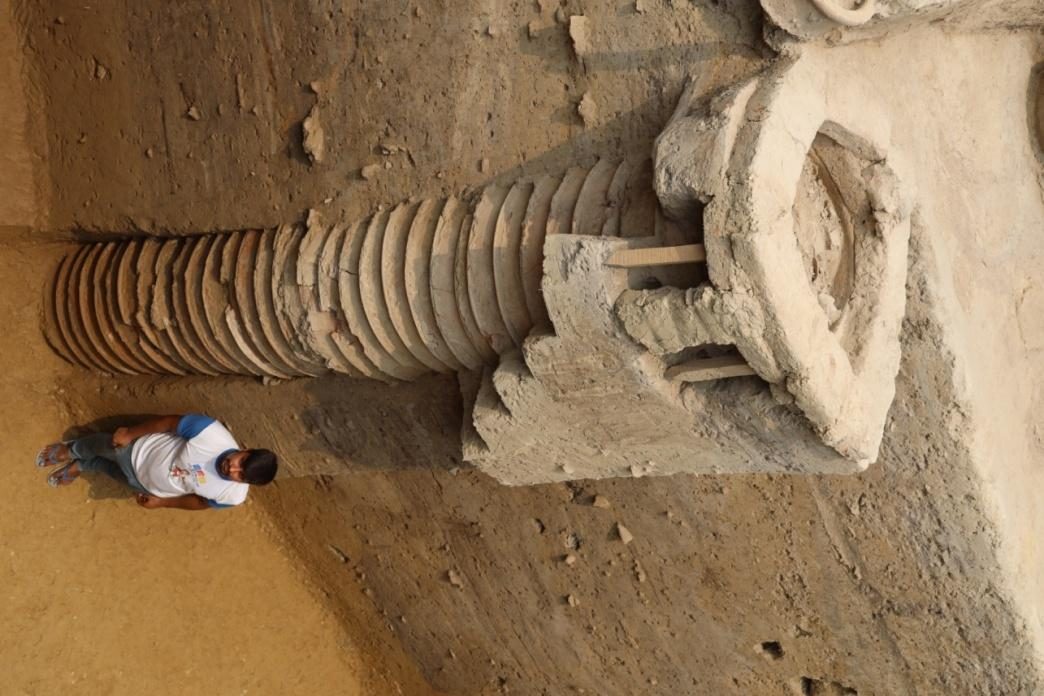
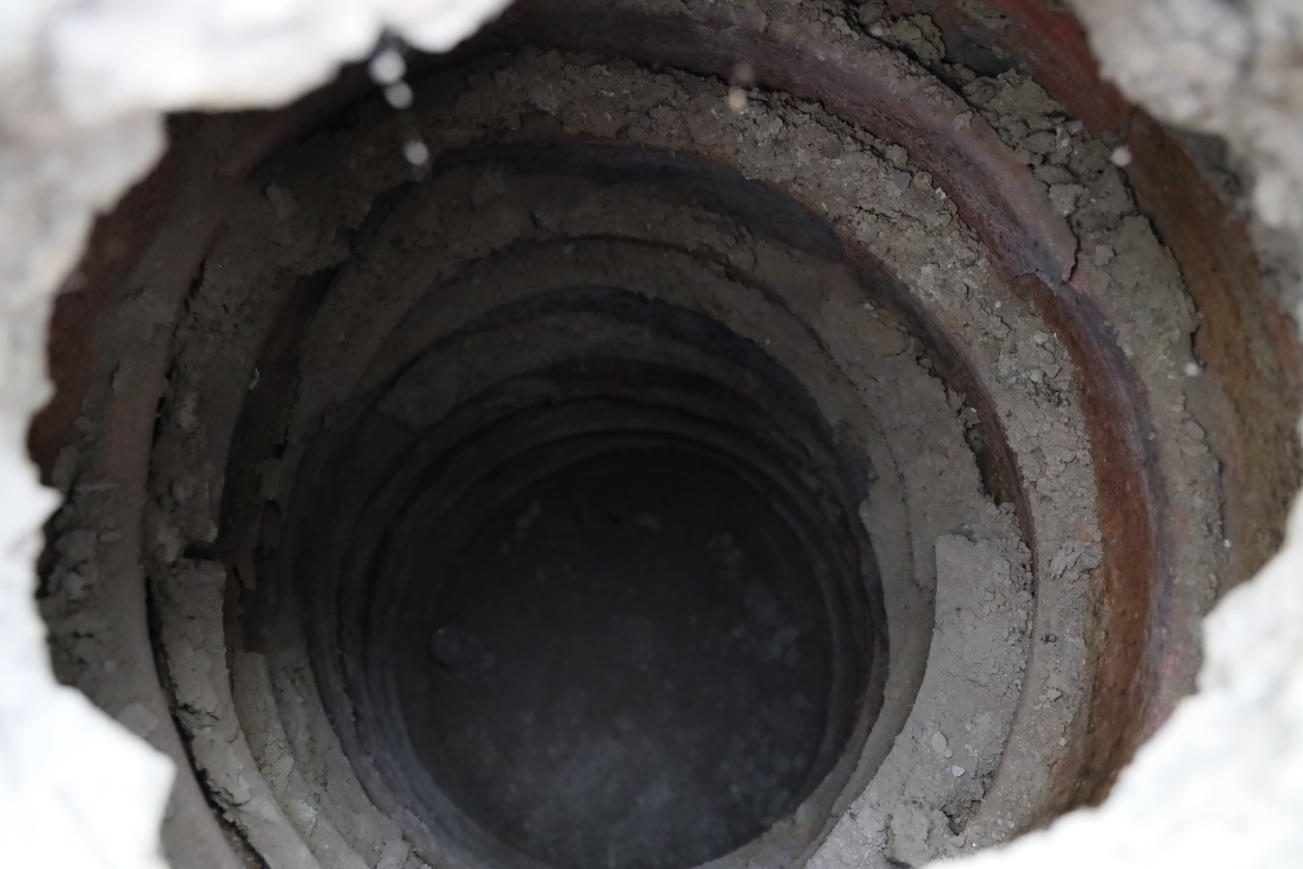
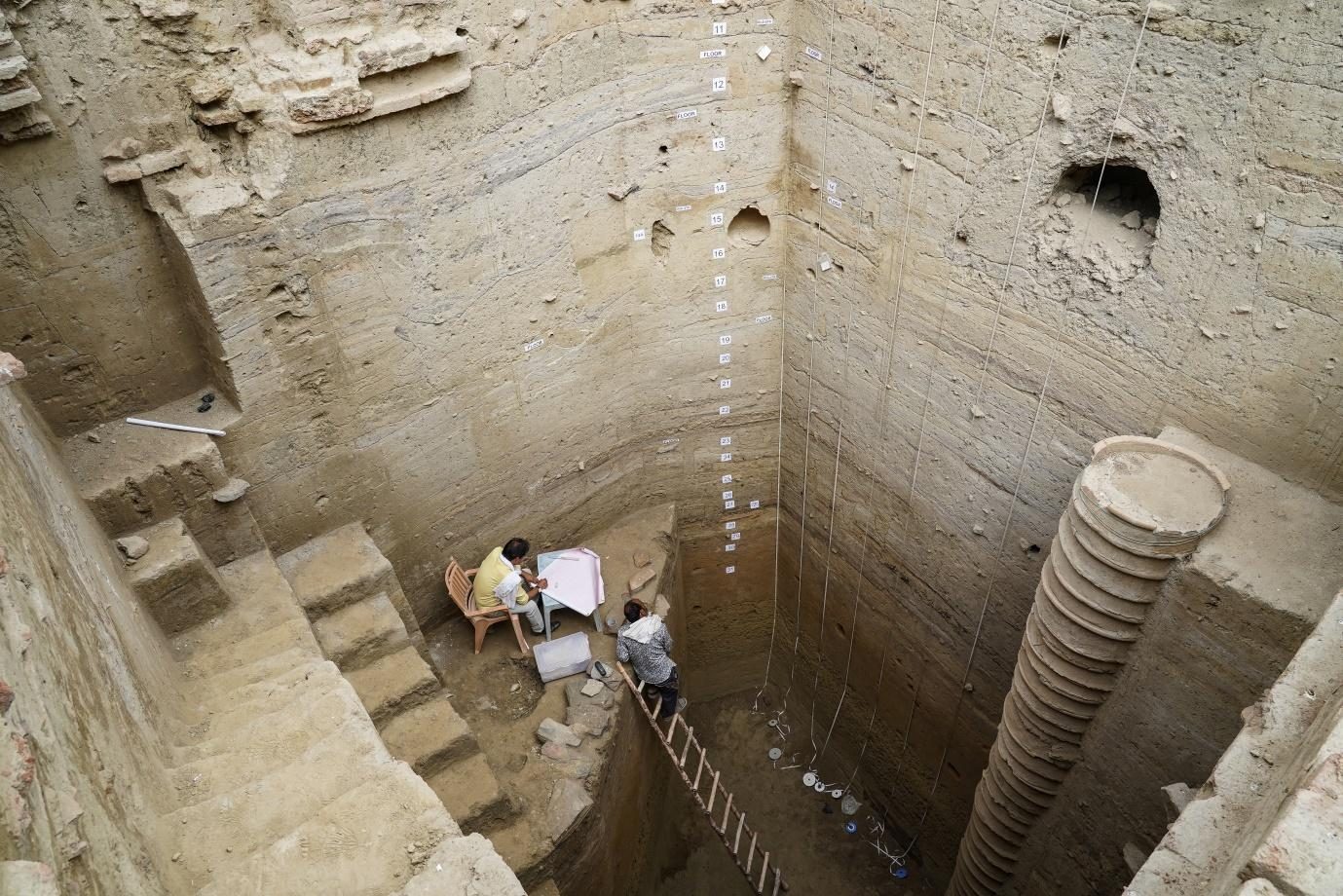
An excavator working at the foot of a very deep trench at Bahaj beside a terracotta ring-well

2024–2025 · Deeg, RajasthanDirector

Bahaj Vajranābha-kā-Kherā — 6 km west of Govardhan

Two seasons on a mound the villagers had half-quarried with JCBs. What was left still yielded an unbroken run from Palaeolithic tools and a buried river channel, up through the Ochre Coloured and Painted Grey Wares and every historic period, to the late-medieval Jat forts — and, near the bottom, clay sealings lettered in Brahmi long before Ashoka. The Bahaj column ↓

2025 · Beawar, RajasthanDirector

Ojhiyana An Ahar–Banas chalcolithic village

A short, precise dig to fix a pottery sequence — black-and-red ware, the white-painted bowls, the modelled bull figurines of the Ahar culture — so the site's first excavators could finish their long-pending report.

Excavation Branch II · MathuraDirector

Barnoli ki Dhai A satellite settlement of ancient Mathura

Dug alongside Rakhigarhi Mound 3, some 380 km away. The trenches followed the Painted Grey Ware and early historic life of a village in the great city's hinterland.

Sikar, RajasthanDirector

Bewan Bewan-ki-Dhani, near Ganeshwar

A 12.7-metre deposit reaching the Ochre Coloured Ware / Ganeshwar–Jodhpura horizon, in the copper country of the north-eastern Aravallis — the earliest metal-using communities of the region.

2021–2022 · Hisar, HaryanaCo-director

Rakhigarhi, Mound 3 One of the largest Harappan cities

Mud- and burnt-brick walls, adult and child burials, steatite and carnelian beads, a gold fragment, a steatite seal — AMS dates placing the deposit in the late Mature to Late Harappan phase, c. 2000–1800 BCE. He has also taken part in excavations at three other Harappan-era sites — Khirasara, Bhirrana and Baror — and at Hansi.

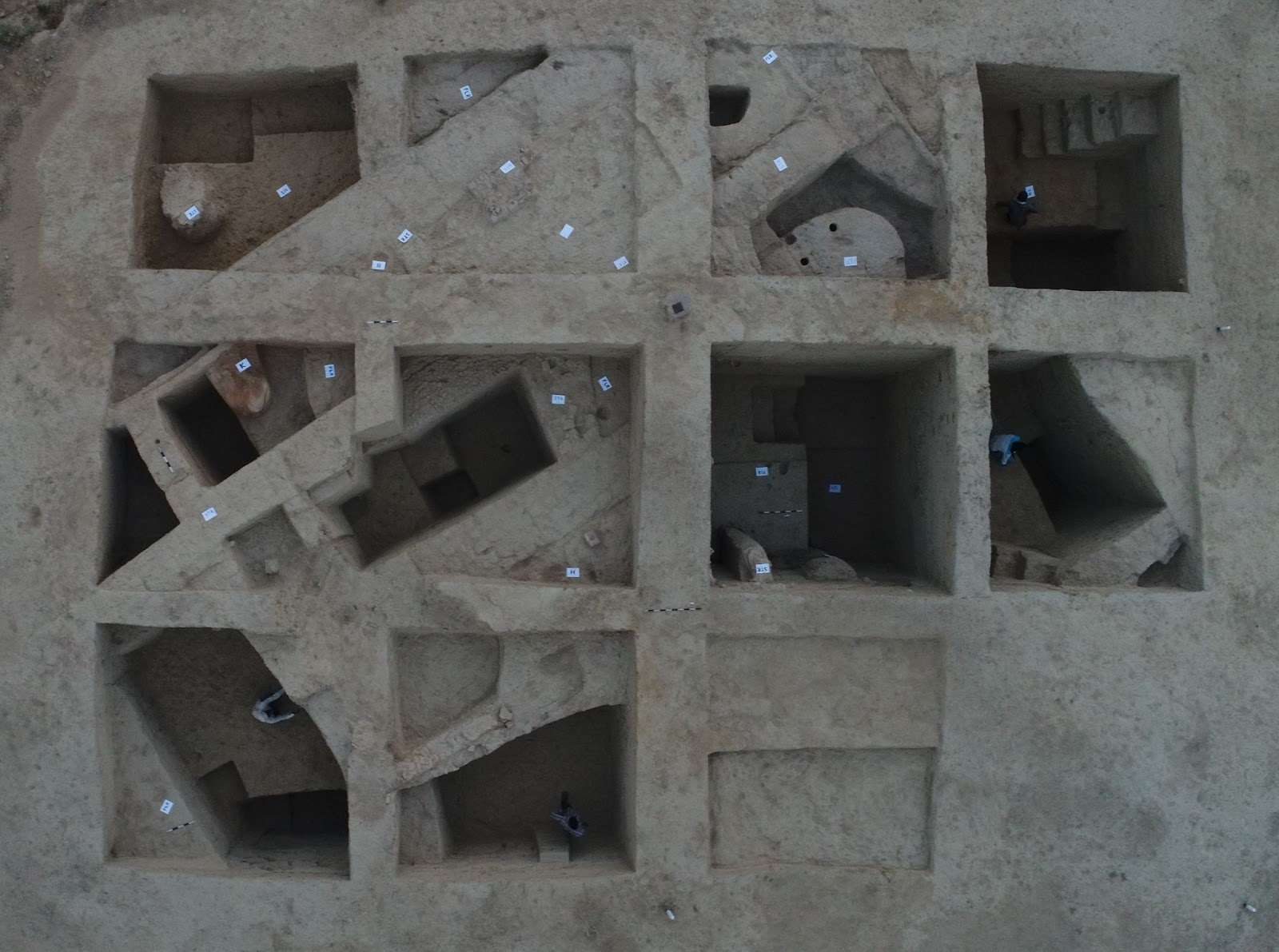
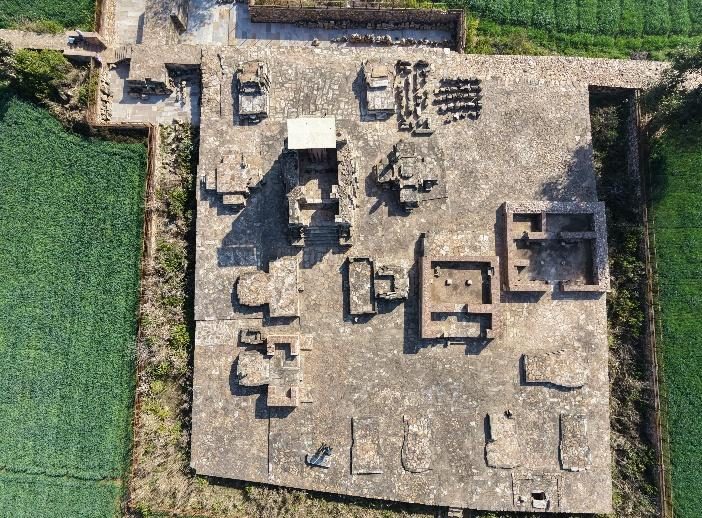
An aerial view of a grid of excavation quadrants opened across a mound

Braj · trans-Yamuna · GujaratExplorer

Village-to-village survey Mathura · Jewar · Hodal · Banaskantha

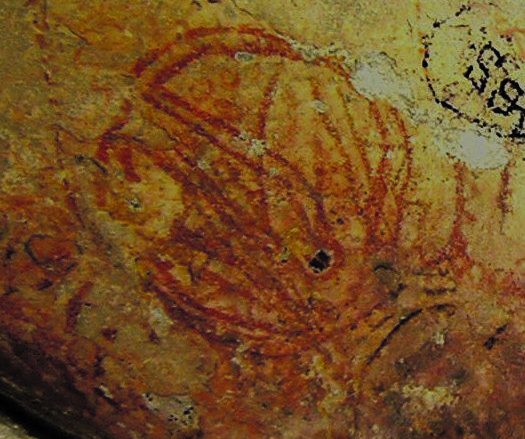
Years of walking fields and recording what was on them — mounds, sculpture, inscribed bricks, prehistoric cupules and rock paintings. The work that turned Mathura from one famous site into a dense, readable region, and the foundation of the 2013 book.

The Bahaj excavation

Thirteen metres of unbroken time

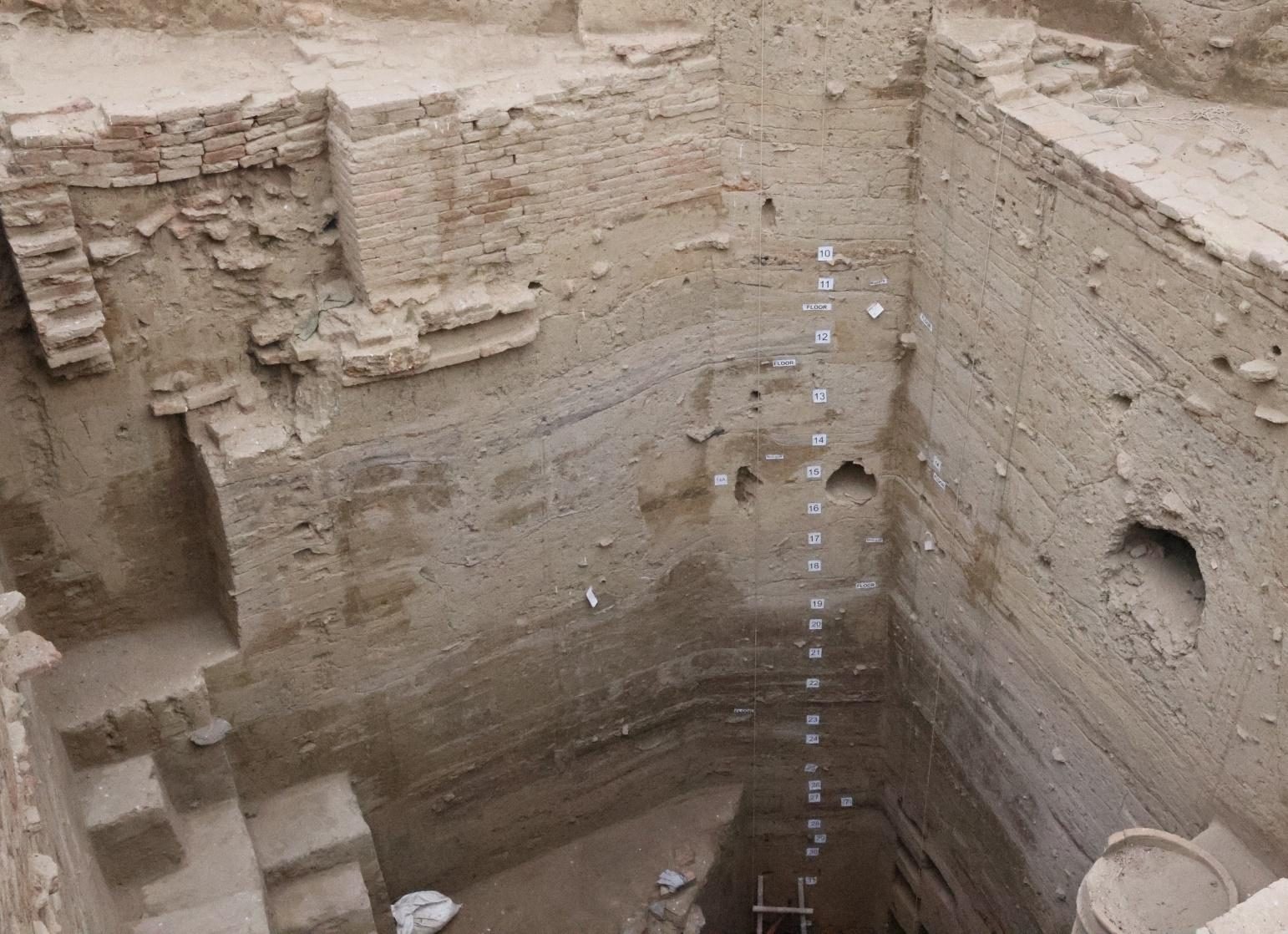
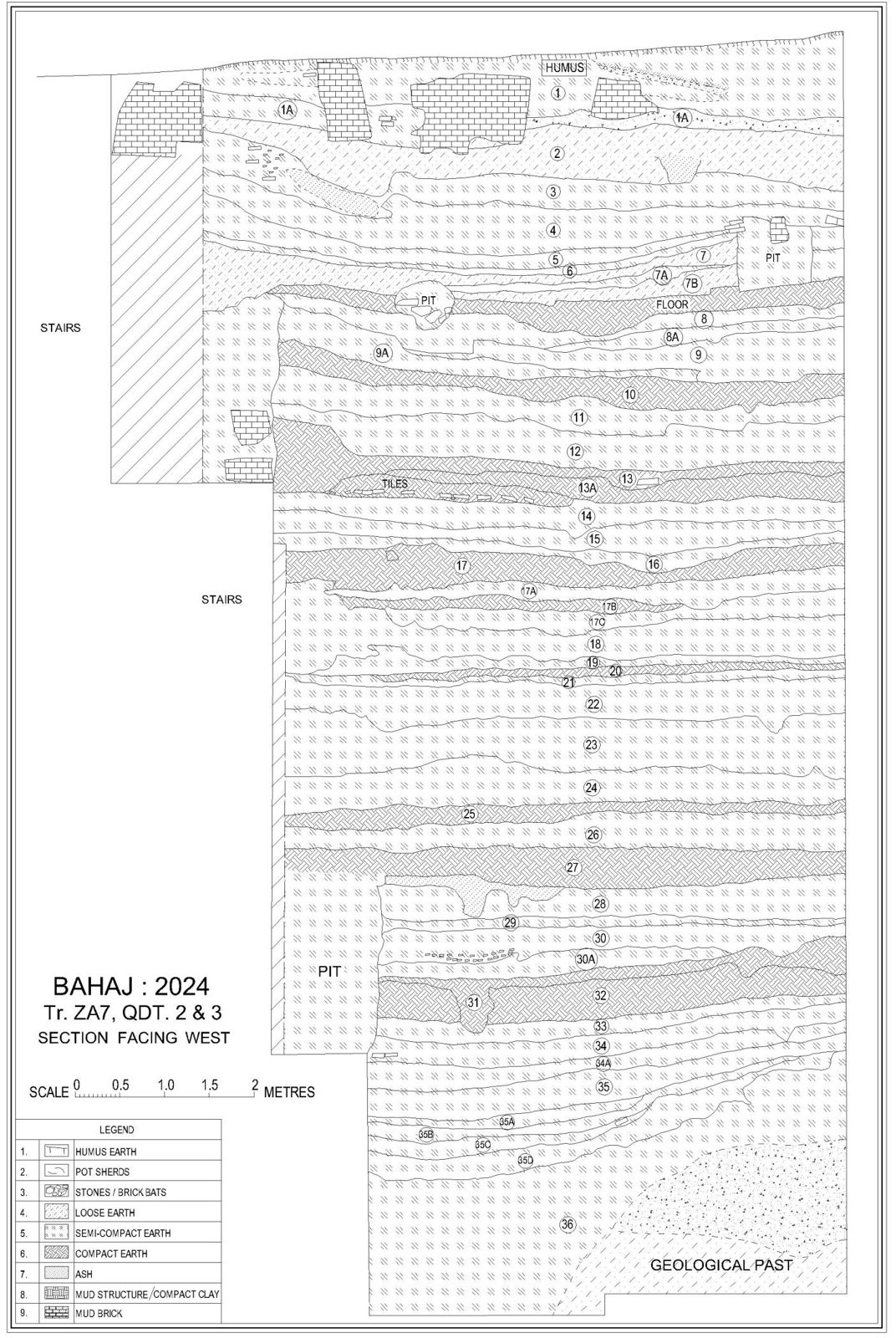
A section face at Bahaj showing dozens of thin archaeological layers and ash-filled pits
One trench face, cut through the Kushan, Śuṅga, Mauryan, Pre-Mauryan and Painted Grey Ware periods to a buried river channel.

The mound is called Vajranābha-kā-Kherā, after the great-grandson of Krishna said to have revived the sacred places of Braj. It stands on the old 84-kos pilgrimage route, a short walk from Govardhan hill.

Two seasons of digging gave what few Indian sites can — a continuous stratigraphy from the Ochre Coloured Ware to the present day, with the silty channel of a vanished river sealed beneath the earliest floor.

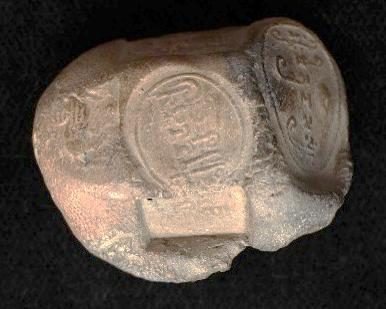
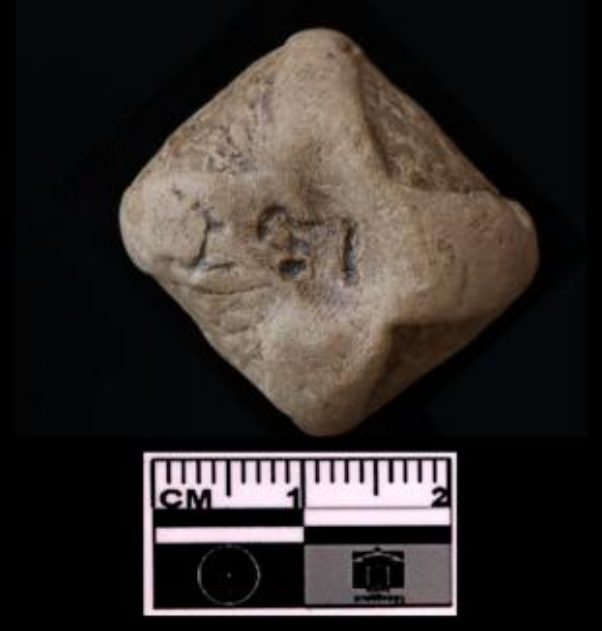
  • Writing before Ashoka. Four clay sealings from late Painted Grey Ware levels carry an early, pre-Mauryan Brahmi — evidence the script was in use, and grew up indigenously, well before the rock edicts.
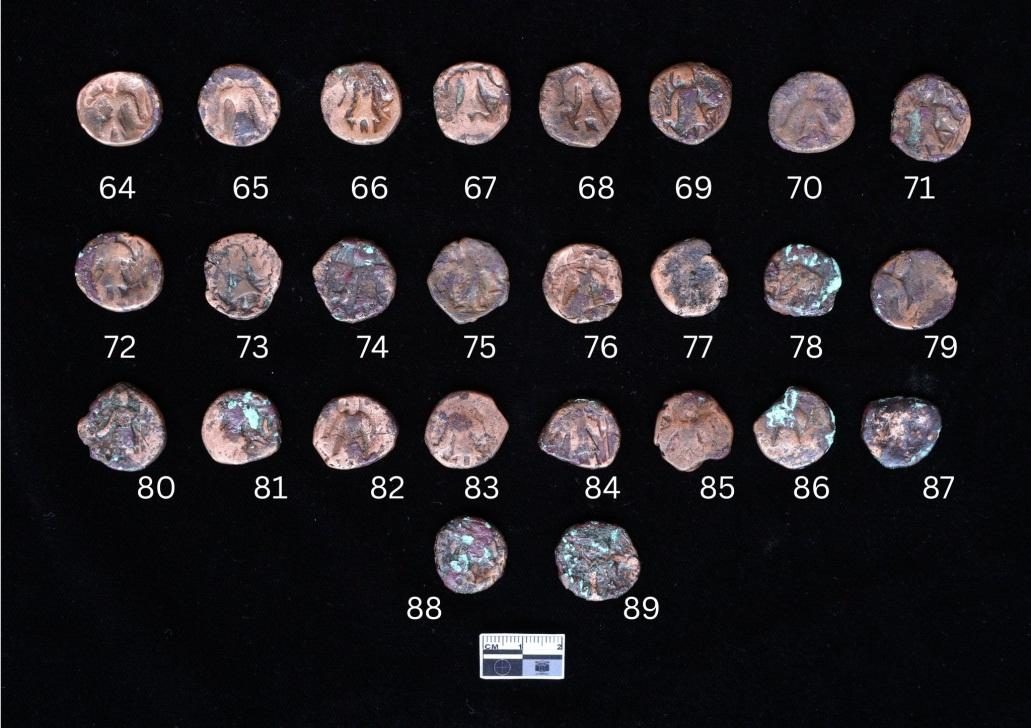
  • The earliest coins of Bharat. Silver and copper punch-marked coins and uninscribed cast coins from the lowest deposits push minted money in India toward the 7th–8th century BCE.
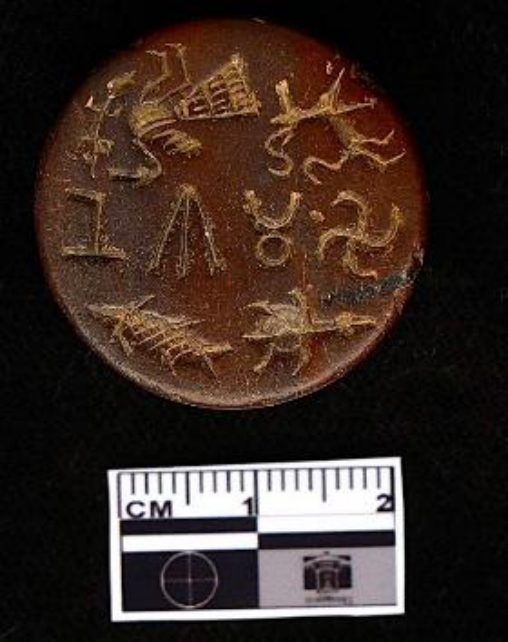
  • A seal in the Harappan manner. A unique jasper seal cut with nine symbols — turtle, fish, lizard, stag, peacock, svastika, nandipada — kept as a sacred heirloom for centuries.
  • Two scripts, one sealing. A rare piece inscribed in both Brahmi and Kharoshthi — the second such find known from the subcontinent, the first from Braj.

The section, read downward

Depths measured from the surviving mound surface · Periods I–X

0 – 1.5 mLate MedievalJat fortress levels; black-on-red pottery; the hookah appears.
≈ 1 mGupta & Early MedievalFine red-slipped ware, moulded bowls, painted swans.
0.6 – 2.75 mKushanBrick houses, ring-wells, stamped storage jars; most of the seals and sealings.
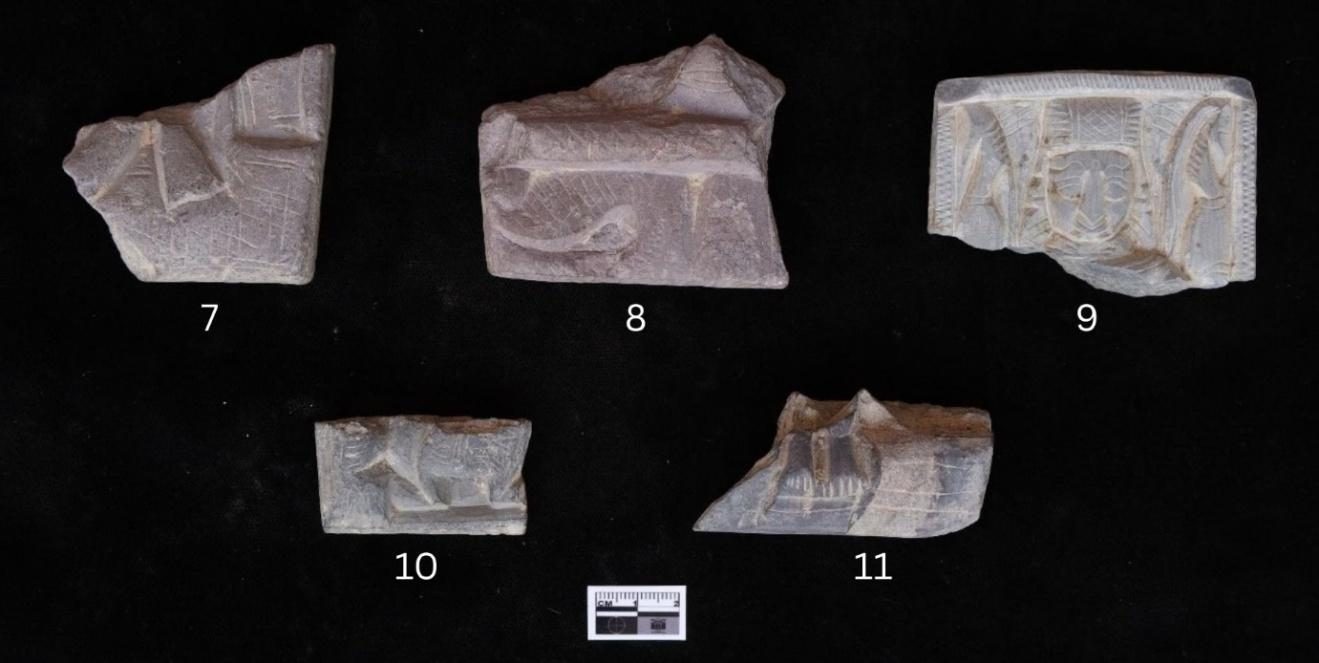
1 – 2.25 mŚuṅgaIron-smelting furnaces, a shell-bangle industry, an inscribed soapstone casket lid.
0.8 – 1.2 mMauryanA masterpiece Mother-Goddess figurine; punch-marked and cast coins.
0.8 – 1 mPre-MauryanNorthern Black Polished Ware in blue, black and silver; linear yajña-kuṇḍa pits.
3 – 6.5 mPainted Grey WareThe thickest deposit; the pre-Mauryan Brahmi sealings; anthropomorphic figures of Śiva and Pārvatī.
0.3 – 0.7 mBlack-and-Red WareA thin horizon, intermixed with PGW and OCP toward the base.
1 – 2.5 mOchre Coloured Ware — "Govardhan–Bahaj Culture"Handmade pots, steatite and lapis-lazuli beads, a copper fish-hook.
belowPalaeolithic & the lost riverMiddle and Upper Palaeolithic tools; calcrete; the channel of a dried river.

Arguments from the finds

What the objects keep insisting

Finds are evidence for questions. These are the debates the fieldwork keeps returning to.

Script

An indigenous Brahmi

Pre-Mauryan letters on the Bahaj and Vrindavan inscriptions argue for a long, home-grown development of the script — not a Mauryan invention.

Chronology

Deep antiquity for Braj

Inscribed Bhāgavata bricks and Kushan sculpture show Vrindavan, Govardhan and Mathura as sacred centres by the 3rd–2nd century BCE — long before the bhakti movement.

Cult

The Vrishni heroes, on the ground

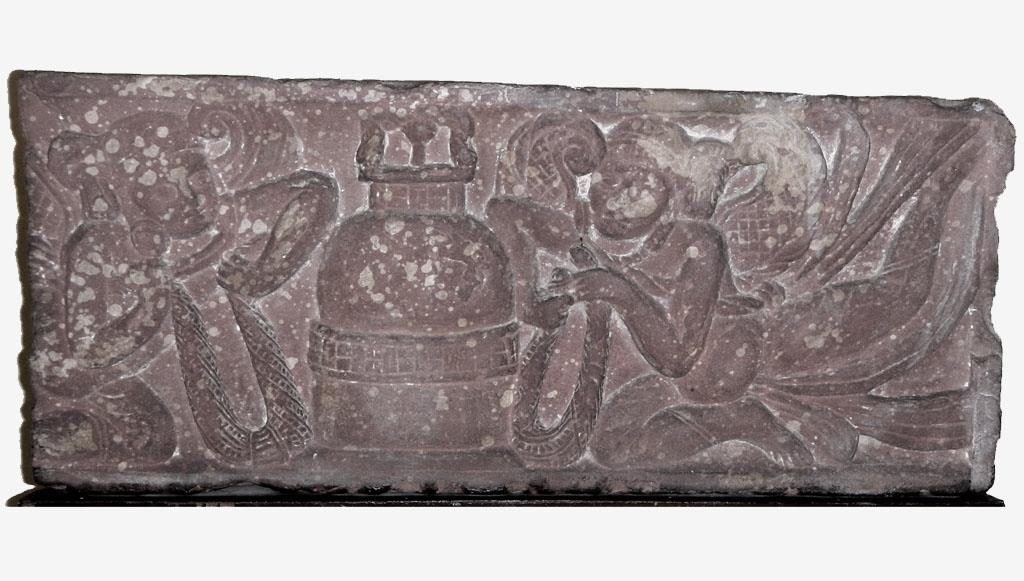
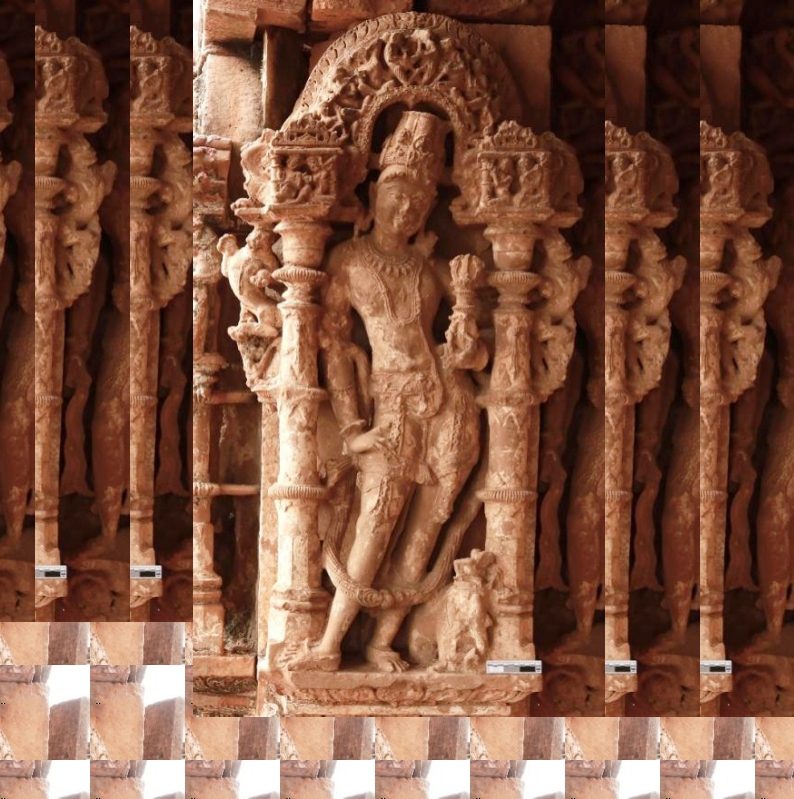
Hero-stone torsos, Ekāṁśā figures and temple bricks trace the worship of Saṁkarṣaṇa and Vāsudeva across the Yamuna valley.

Numismatics

Older money

Stratified punch-marked and cast coins from Bahaj put minted currency in India two or three centuries earlier than the textbook date.

Continuity

A thread from Harappa

The nine-symbol jasper seal and animal motifs shared with Cemetery-H pottery suggest an unbroken visual language from the Bronze Age into the early historic.

Heritage

Temple towns in oblivion

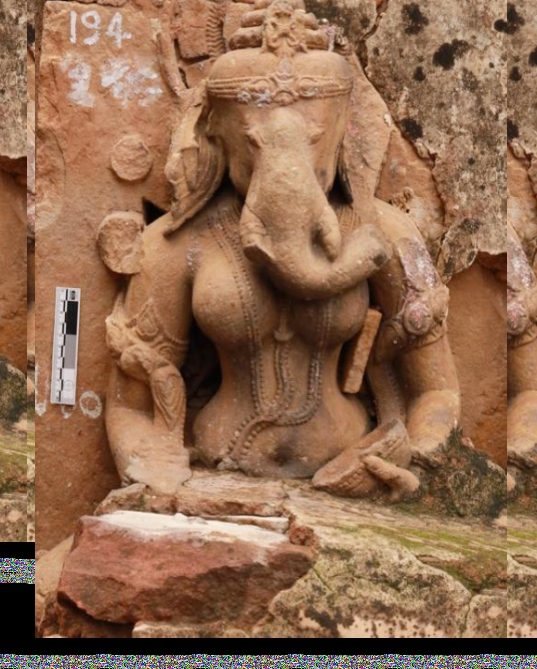
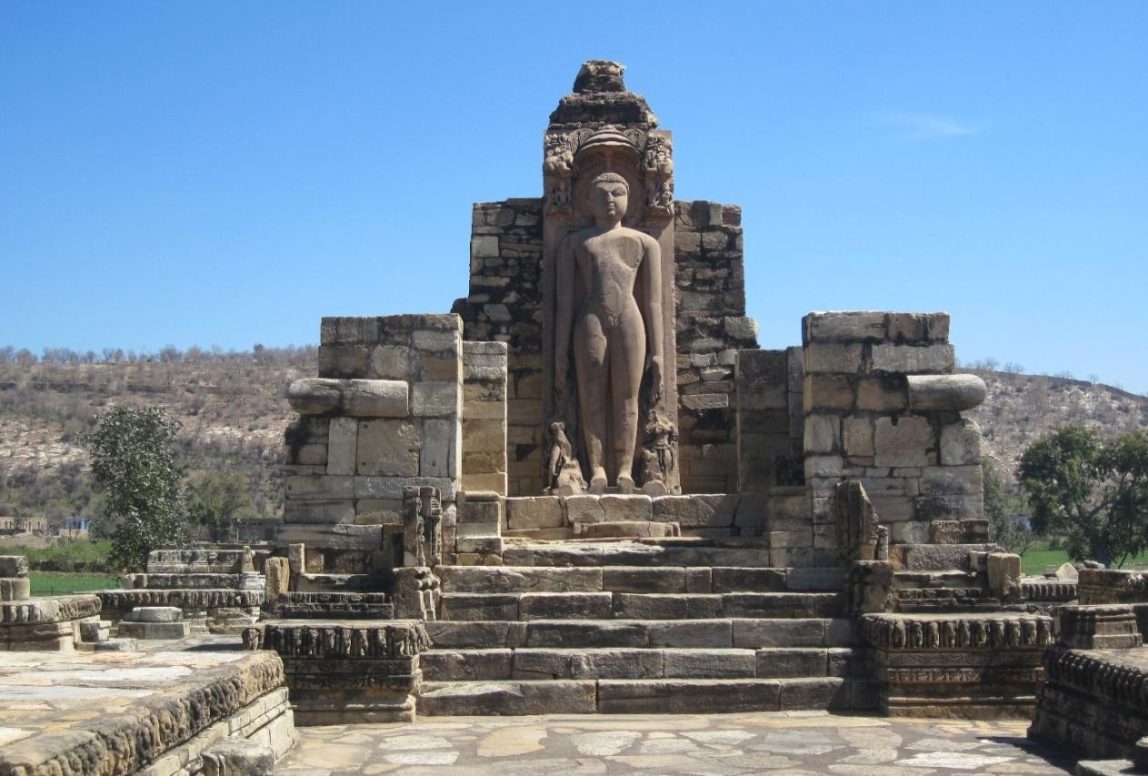
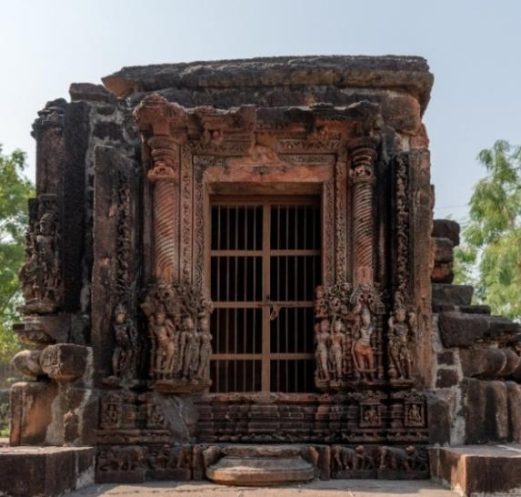
Atru, Krishnavilas, Abhaneri, the Hadoti group — whole medieval urban landscapes recorded before encroachment erases them.

Guardianship

Bringing looted antiquities home

A posting in the Survey's Antiquities & Customs Section put the same research skills to a different task — tracing Indian antiquities smuggled abroad and working through the legal process of retrieving them. As he put it in a 2019 paper on the subject: lawful and organised looting by the colonial powers changed into unlawful and disorganised looting.

Writing

Books, reports & papers

The doctoral thesis, three excavation reports and more than sixty papers on the art and archaeology of Mathura, the temples of Rajasthan, epigraphy and coinage — the whole archive is open to read.

  • Braj: An Art and Archaeological Study. Doctoral thesis, National Museum Institute, New Delhi, 2009 — the village-by-village survey behind everything since.
  • Early Settlement of Mathura. Nehru Memorial Museum & Library, Occasional Paper 41, 2014.
  • Excavations at Bahaj, Ojhiyana & Barnoli ki Dhai. Full site monographs, Archaeological Survey of India, 2026.
  • Seals and Sealings and The Earliest Coinage of Bharat from the Bahaj excavations. Vestigia Indica 4(1), 2026.
Open the full document library 74 documents · every paper, report and the complete thesis — organised, searchable, downloadable Browse →

Documentary films

Monuments, on screen

Conceptualised and scripted for the Archaeological Survey of India, Jaipur Circle.

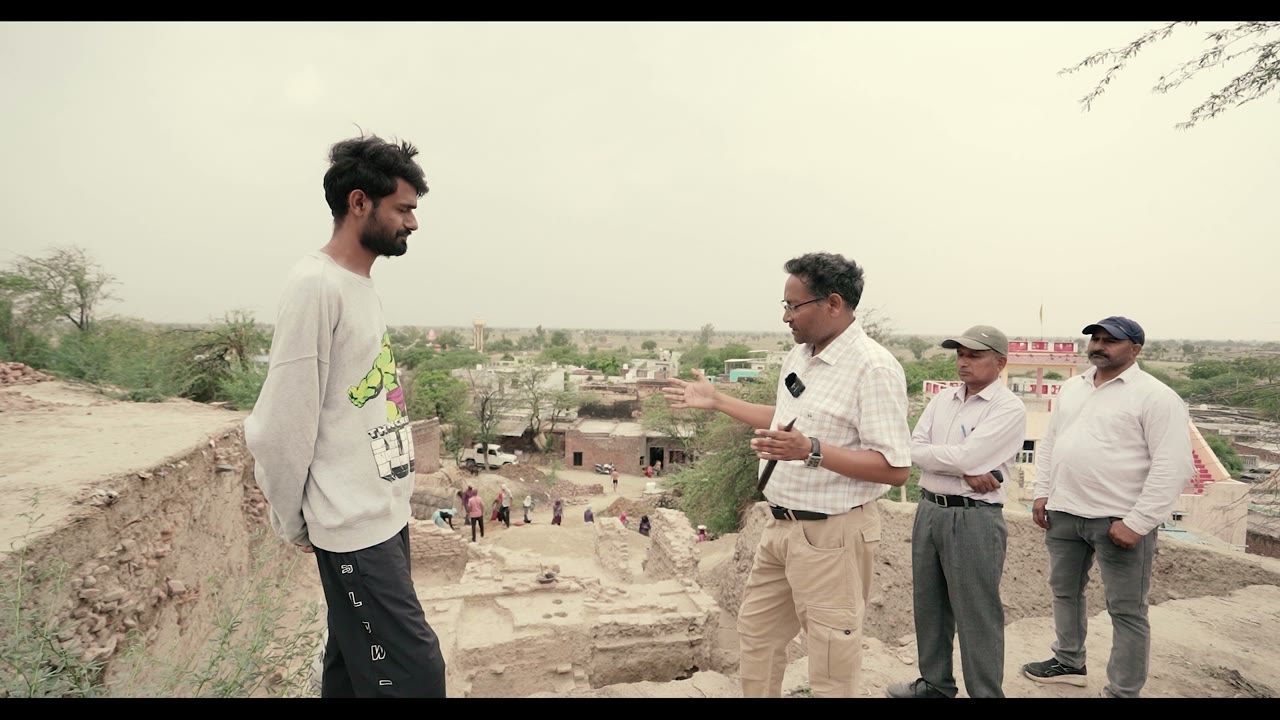
Preview · 0:24 Dr Vinay Kumar Gupta explaining the Bahaj excavation to visitors on site

Bahaj

The making of an excavation — from legend to trench to the earliest writing of Bharat.

Full documentary · 47 min Watch on YouTube
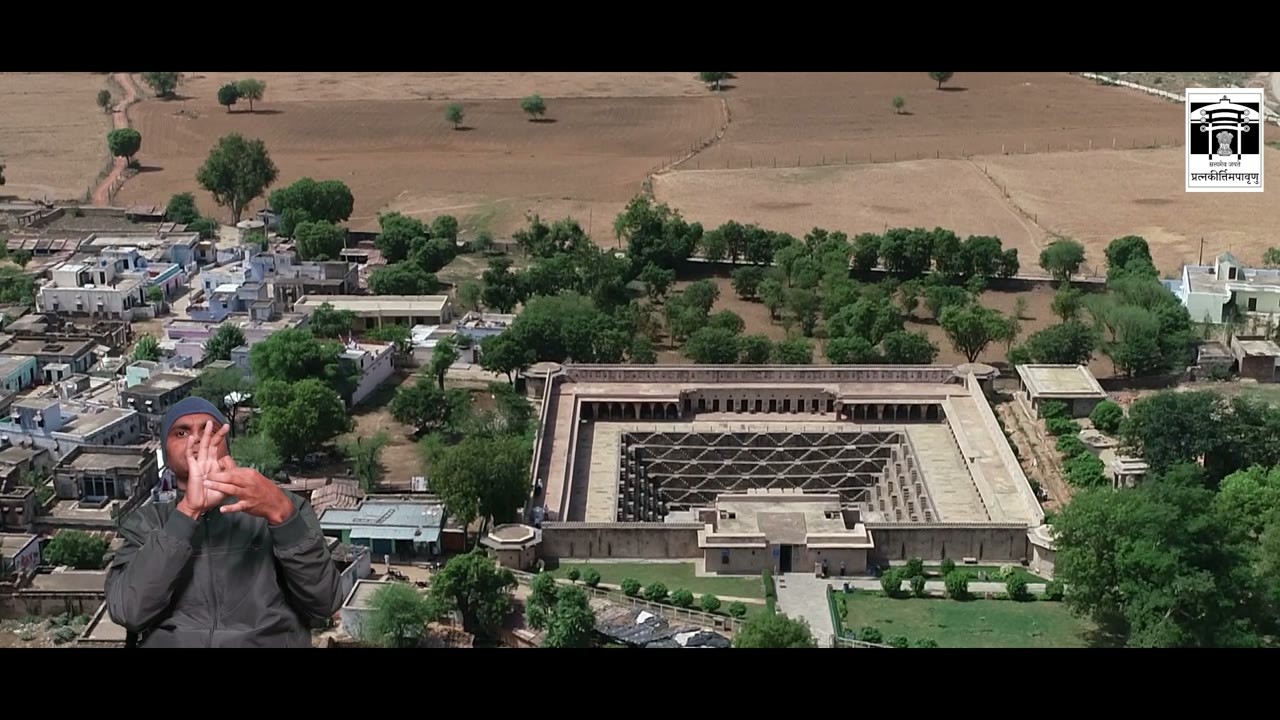
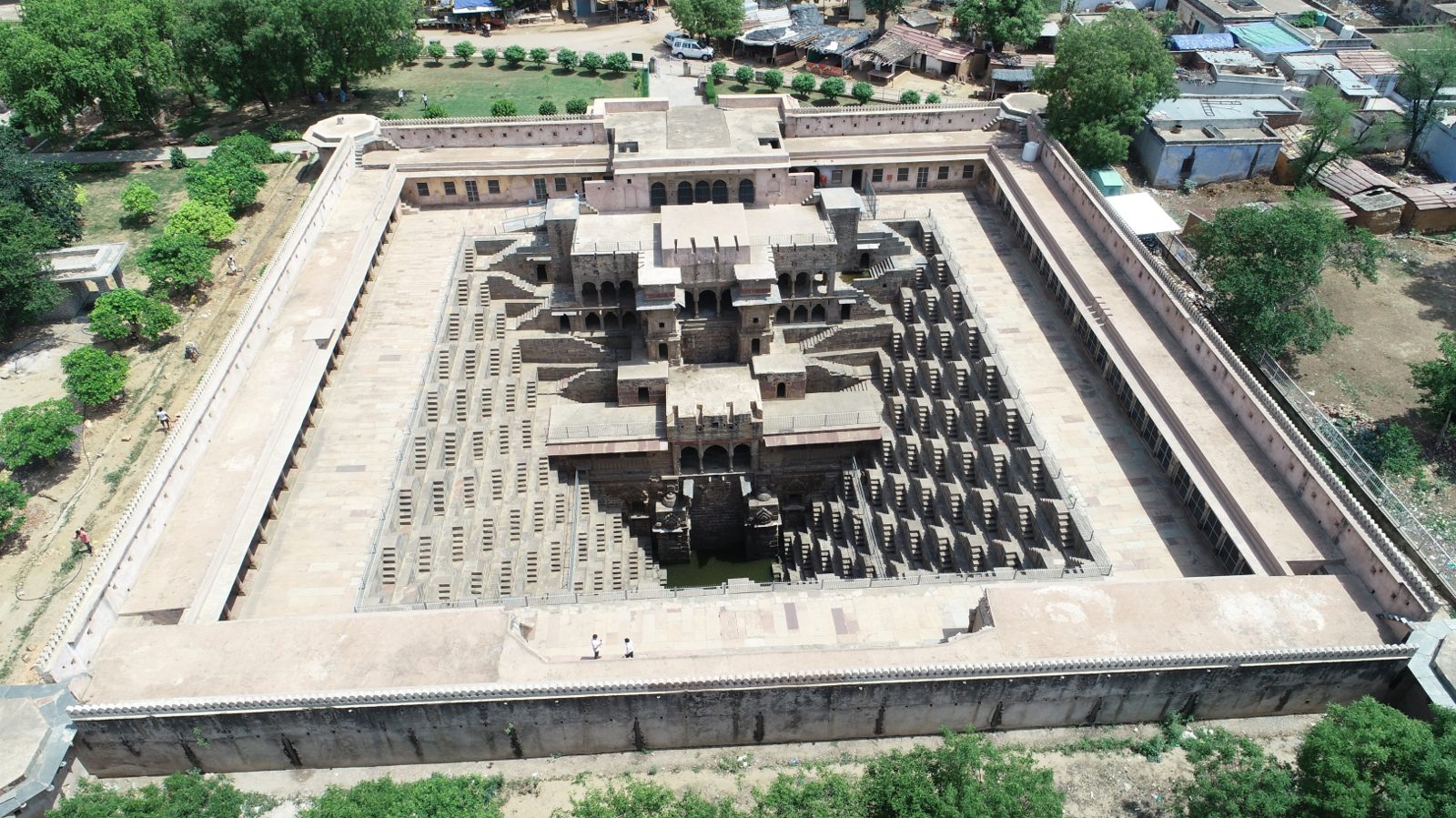
1:01 Aerial view of Chand Baori stepwell at Abhaneri

Abhaneri

Chand Baori and the Harshat Mata temple — the splendour of a ninth-century town.

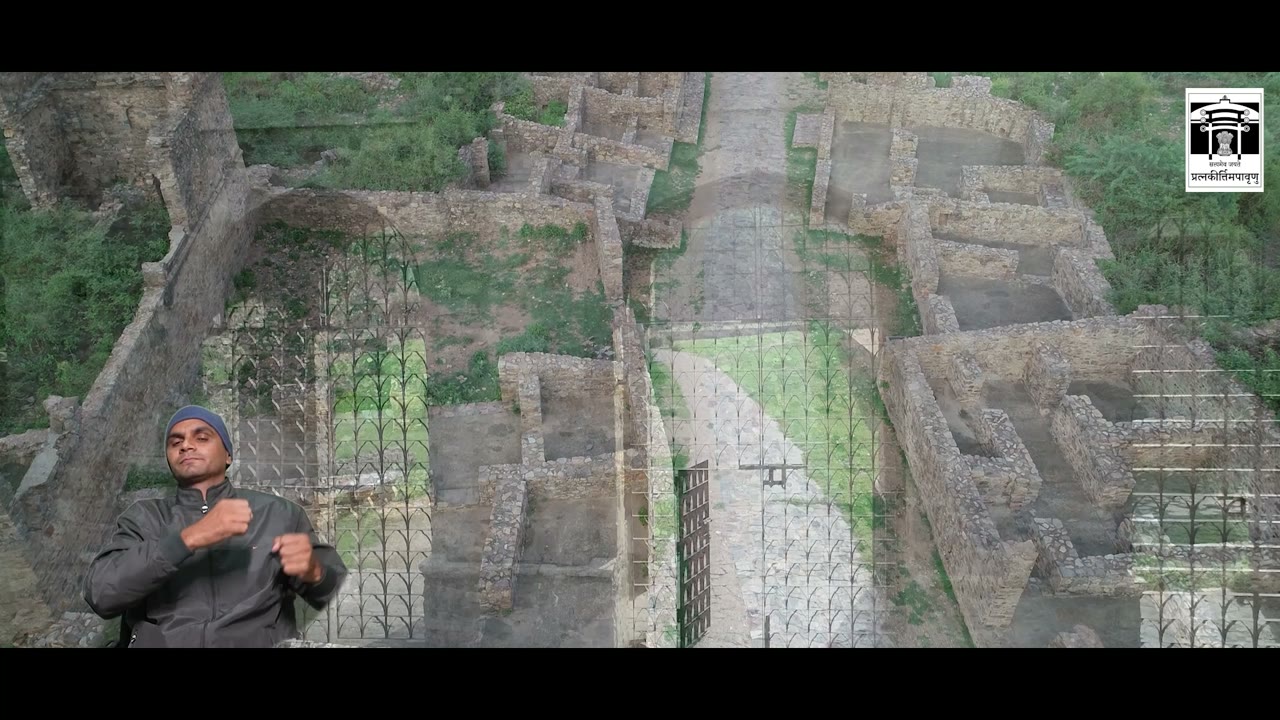
1:22 Aerial view of the ruins of Bhangarh

Bhangarh

Past the ghost stories — a planned medieval city and its abandonment.

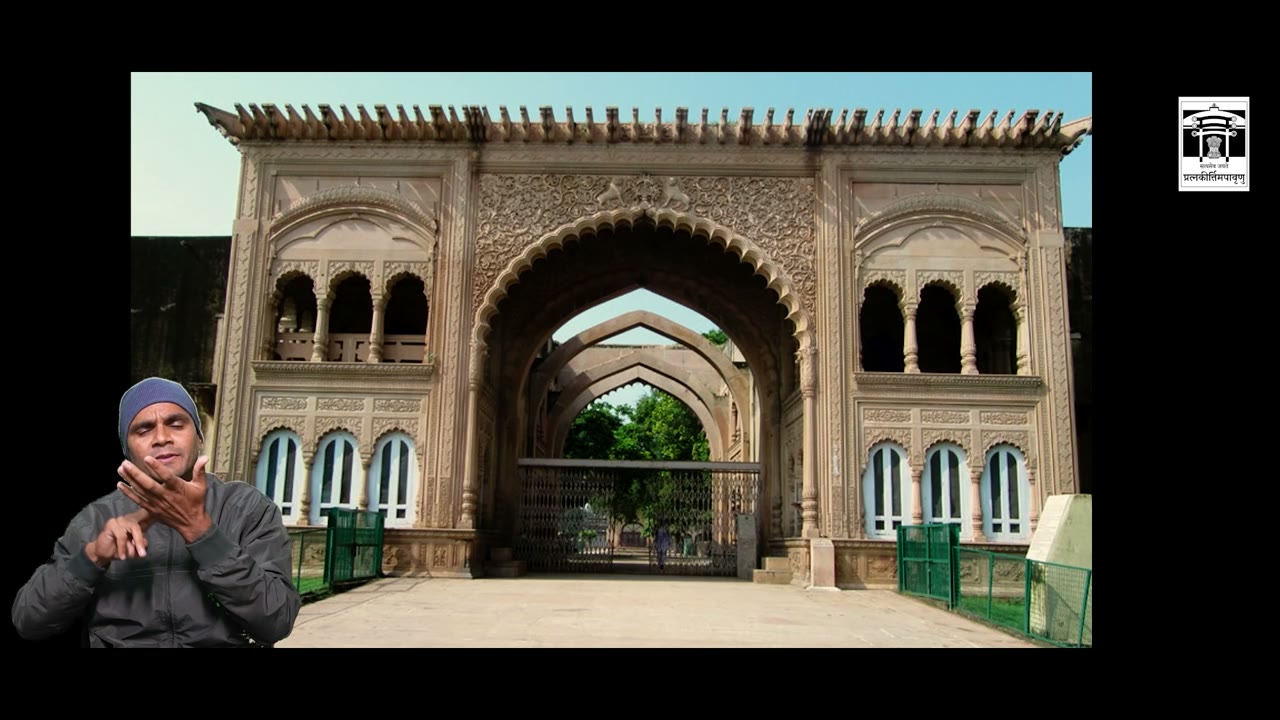
1:18 Deeg water palace, Bharatpur

Deeg

The water palaces of the Jat rulers of Bharatpur.

Play inline, in Hindi or English where both exist. The Bahaj card is a 24-second preview of the 47-minute documentary — the full cut will play here once its YouTube link is added.

Contact

Collaboration & correspondence

For research collaboration, site visits, lectures, image permissions or press enquiries about the excavations.